

Why CPR Training Is a Life-Saving Skill Everyone Should Learn

Emergencies can happen anywhere at home, at work, in school, at church, at the gym, or even in a public place. When someone suddenly collapses or stops breathing normally, the first few minutes matter the most. That is where CPR training becomes so important.
CPR, which stands for Cardiopulmonary Resuscitation, is an emergency life-saving technique used when someone’s heart stops beating effectively. It helps keep blood and oxygen moving to the brain and vital organs until professional medical help arrives. According to the American Heart Association, immediate CPR can double or triple a person’s chance of survival after cardiac arrest.
What Is CPR Training?
CPR training teaches you how to respond during a cardiac emergency. In a proper CPR class, you learn how to recognize cardiac arrest, call emergency services, perform chest compressions, give rescue breaths when required, and use an AED, also known as an Automated External Defibrillator.
The American Red Cross explains that CPR can help save a life when the heart stops beating or beats too weakly to circulate blood to the brain and other vital organs.
Why CPR Training Matters
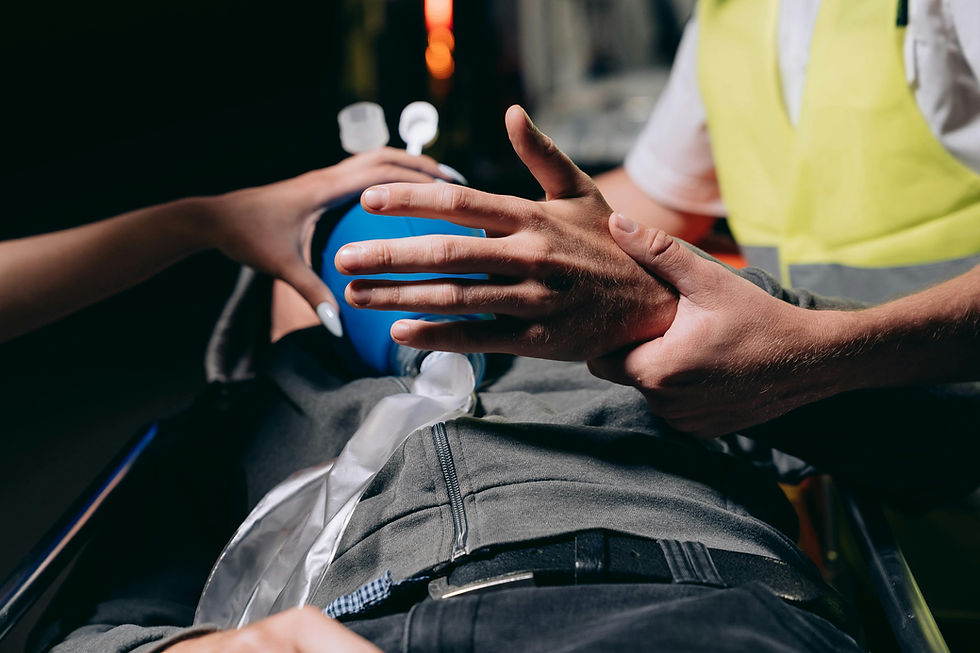
Many people freeze during emergencies because they do not know what to do. CPR training gives you the confidence to act quickly and correctly. Every second counts during cardiac arrest. The Red Cross notes that survival chances can decrease when CPR and AED use are delayed.
Learning CPR means you are not just watching helplessly — you are prepared to help. You could save the life of a family member, coworker, student, customer, friend, or stranger.
Who Should Take CPR Training?
CPR training is not only for doctors, nurses, or healthcare workers. It is useful for everyone, including:
Parents and caregivers
Teachers and school staff
Coaches and fitness trainers
Church and community leaders
Workplace employees
Security teams
Babysitters
Healthcare students
Anyone who wants to be prepared for emergencies
Cardiac arrest can happen suddenly, and often the closest person is not a medical professional. That is why more people in the community need CPR skills.
What You Learn in a CPR Class
A good CPR training class teaches practical skills that can be used in real-life emergencies. These may include:
How to check if someone is responsive
How to call for emergency help
How to perform chest compressions
How to give rescue breaths
How to use an AED safely
How to assist adults, children, and infants
How to stay calm and take action
The goal is to help you respond with confidence before emergency responders arrive.
CPR and AED: A Powerful Combination
CPR helps keep blood flowing, while an AED can help restore a normal heart rhythm in certain cases. Knowing how to use both can make a major difference. The American Heart Association includes CPR as a key part of the “Chain of Survival,” which focuses on quick action during cardiac emergencies.
Final Thoughts
CPR training is one of the most valuable skills you can learn. It is simple, practical, and powerful. You may never know when you will need it, but when the moment comes, your training could help save a life.
At Healthcare Expert Training, we provide CPR and first aid training designed to help individuals, workplaces, schools, and community groups become more confident and prepared during emergencies.


Comments